About
Hi! I’m a software engineer, entrepreneur, and aspiring Forward Deployed Engineer passionate about building and scaling products with data and AI. I co-founded NiBL, a food delivery startup in NYC, where I built the production stack, including the consumer app, driver portal, real-time GPS tracking, automated ETL pipelines, and an AI-powered intelligence platform for brand partners.
I enjoy working directly with customers, understanding their unique challenges, and building tailored technical solutions to solve them. Ultimately, I’m driven by the belief that technology and AI can make a meaningful impact on the world and help move humanity forward.
Work Experience
Skills
Languages and Frameworks
Data Analysis & ML
Development Tools
Check out my latest work
I’ve built a range of data projects and web applications, from lightweight websites to more complex, end-to-end systems. Here are a few of my favorites.

NiBL - Food Delivery Platform
As part of building NiBL, a restaurant-focused delivery startup, I designed a scalable, real-time food delivery platform architecture tailored for the U.S. market. I structured the system around a microservices-based backend with an API Gateway handling routing, authentication, and rate limiting, and defined core services for users, restaurants, orders, payments, driver dispatch, and real-time tracking. I implemented a geospatially-aware driver matching system using Redis to efficiently assign orders based on proximity, reliability, and load, while modeling the order lifecycle as an event-driven state machine to ensure consistency across services. To support live tracking, I designed a high-frequency GPS ingestion pipeline with optimized protocols (SSE for customers, WebSockets for drivers) and a tiered storage strategy for performance and cost efficiency. The architecture leverages PostgreSQL for transactional consistency, Redis for caching and geo queries, and Kafka for asynchronous event streaming, with containerized deployment on Kubernetes to enable autoscaling and fault tolerance.
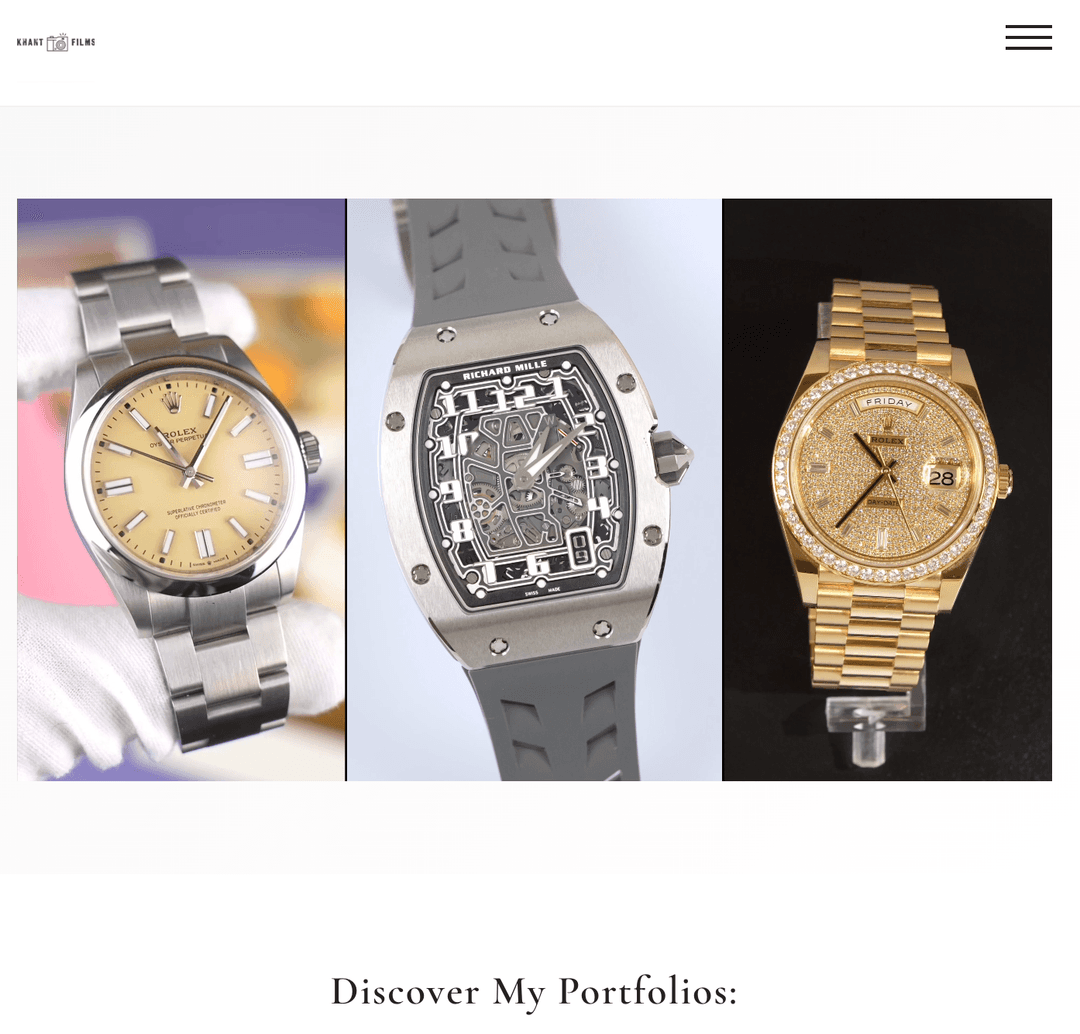
Khant Films Videography Portfolio Website
This is the freelance videography portfolio website for a professional videographer. We worked closely to pick the right design and features to showcase his work and services. I built with Next.js and TailwindCSS while using CapCut to edit the main video on the homepage. We then finalized photos and videos for each portfolio section and hosted it on Vercel.
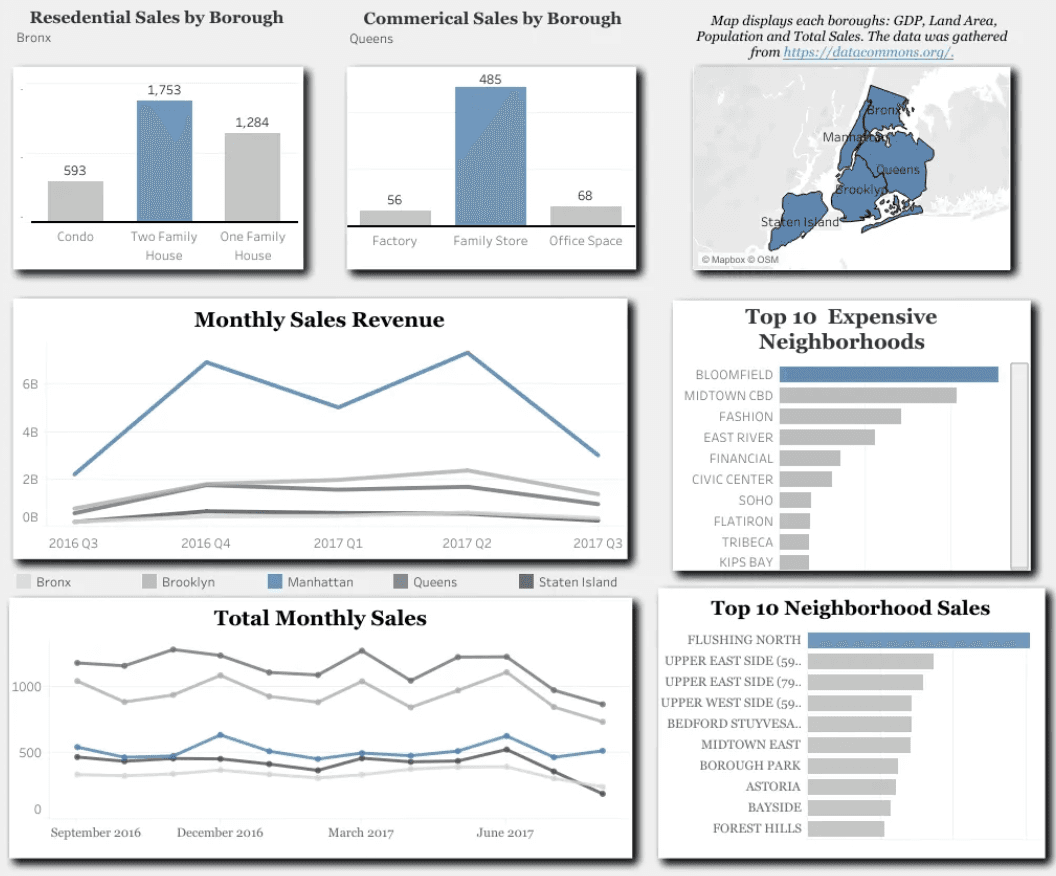
NYC 311-Property Insights Web App
My colleague and I built this project because we were curious about how city complaints and neighborhood conditions actually affect real estate value in NYC. Instead of just analyzing a static dataset, we wanted to create something interactive — a system where we could store, process, and explore both 311 complaints and property sales in one place. So we designed a full-stack platform using SQL, Python, and Flask that lets us analyze trends, compare neighborhoods, and visualize how complaint volume correlates with housing prices.
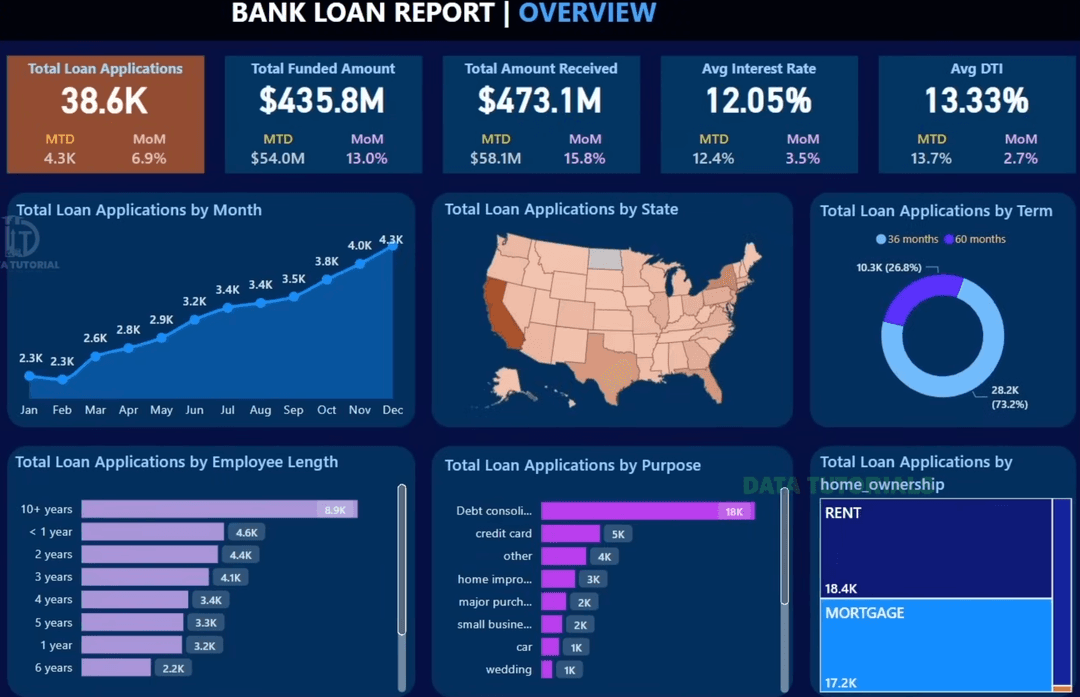
Bank Loan Analysis & Prediction Model
As someone with interest in finance and personal banking, I wanted to explore how machine learning could help predict loan approvals based on customer data. I gathered a dataset of bank customers, cleaned and preprocessed the data using Pandas, and then built classification models with scikit-learn to predict whether a loan would be approved or denied. I evaluated different algorithms, tuned hyperparameters, and visualized the results to understand which factors most influenced loan decisions. This project helped me apply data science techniques to a real-world financial problem while deepening my understanding of ML workflows.
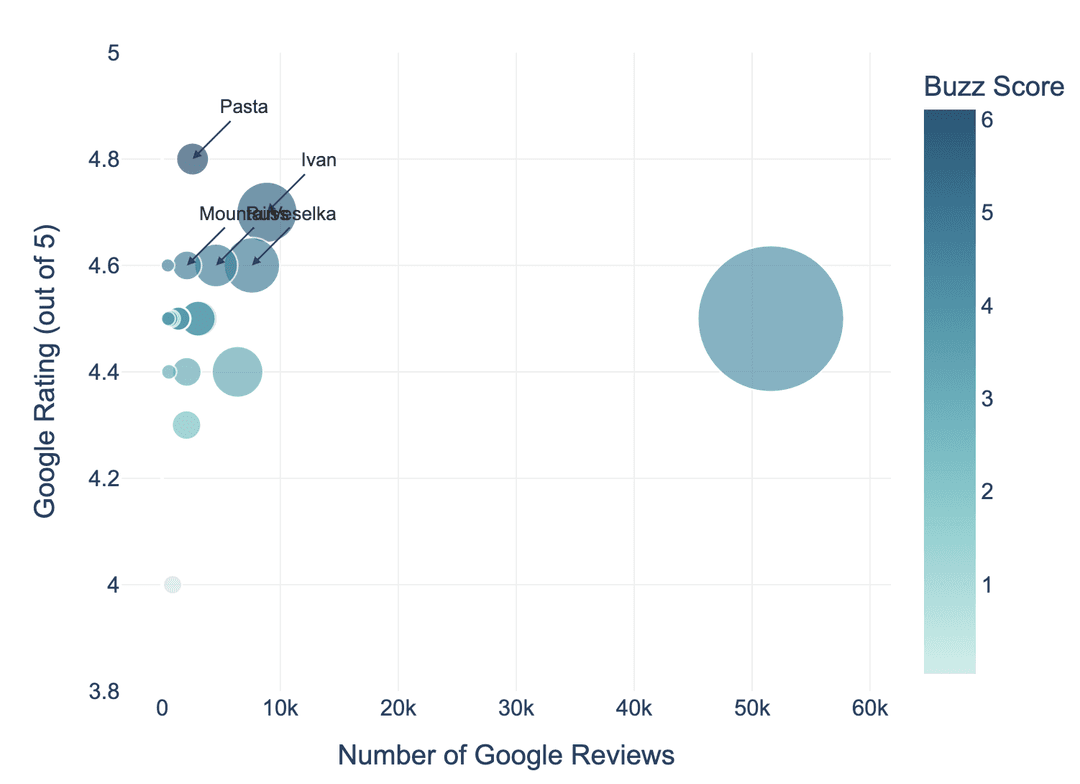
NYC Restaurant Scoring Model
As part of building a data-driven restaurant discovery startup, I wanted to understand which restaurants in NYC's East Village were genuinely buzzing — not just highly rated, but actively talked about across multiple platforms. I built a multi-source data pipeline in Python that pulls restaurant data from Google Places, Yelp, and Reddit, then combines them into a single composite buzz score using weighted, normalized signals. The score factors in ratings, review volume, and organic community mentions. I also built an interactive Plotly dashboard in a Jupyter notebook to visualize the rankings, rating vs. popularity breakdowns, and price tier analysis — designed to be shared with the team and presented to potential investors as a clean, code-free HTML report.